 Hakan Çelik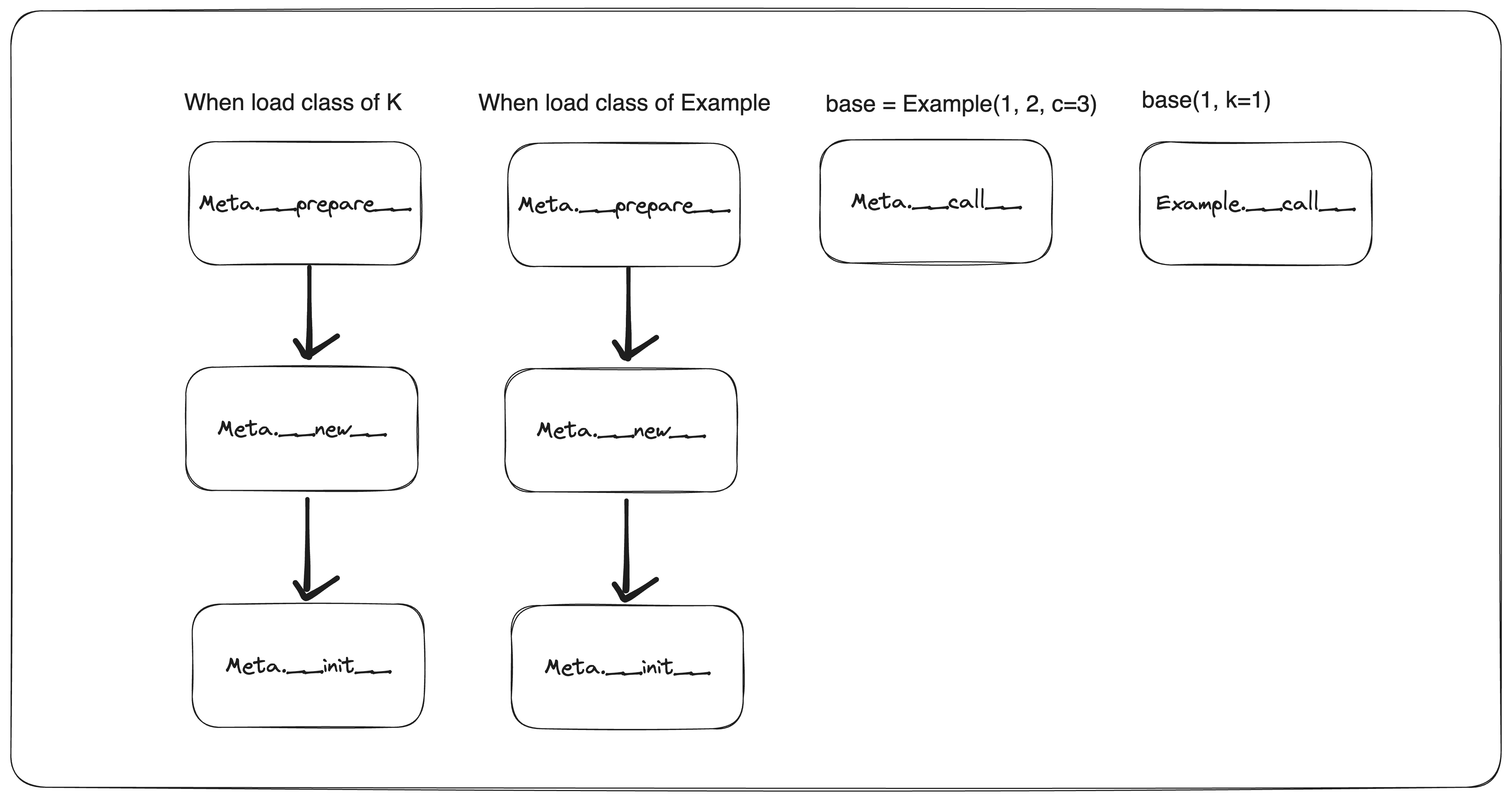
Meta Classes Without Type
Is it possible to write a metaclass without deriving from type? Yes — but what you end up with is not a real Python class; it is an instance of Meta.
Articles on Python, Django, OpenCV, Cloud, and more.
Is it possible to write a metaclass without deriving from type? Yes — but what you end up with is not a real Python class; it is an instance of Meta.

When deploying a serverless application on AWS Lambda using a Docker image, AWS provides a base image to make your work easier.

Every class in Python has a metaclass. If you don't specify one explicitly, type steps in as the default — invisible, but always there.
Cloud computing is the on-demand delivery of technology resources over the Internet with pay-as-you-go pricing. Instead of buying, owning, and maintaining physical data centers and servers, you can access technology services such as computing power, storage, and databases on an as-needed basis from a cloud provider like Amazon Web Services (AWS).
Two ways to implement the Singleton pattern with a metaclass in Python — and the critical difference between them: in one, subclasses are separate objects; in the other, they are the same object.
There are many options for deploying a serverless application on AWS Lambda. Here are the ones I know of:
Three ways to automatically register subclasses: metaclass __new__, __init_subclass__, and class decorator. Which one is more appropriate for which situation?
If you wrote your serverless application with FastAPI and want to run it on AWS Lambda, you need to make it compatible with Lambda. The library you need for this is mangum.
A dataclass-like structure built with a metaclass: automatic __slots__ derived from type annotations and runtime type validation inside __call__.