Hakan Çelik
Modeling a Class with a Metaclass

Modeling a Class with a Metaclass
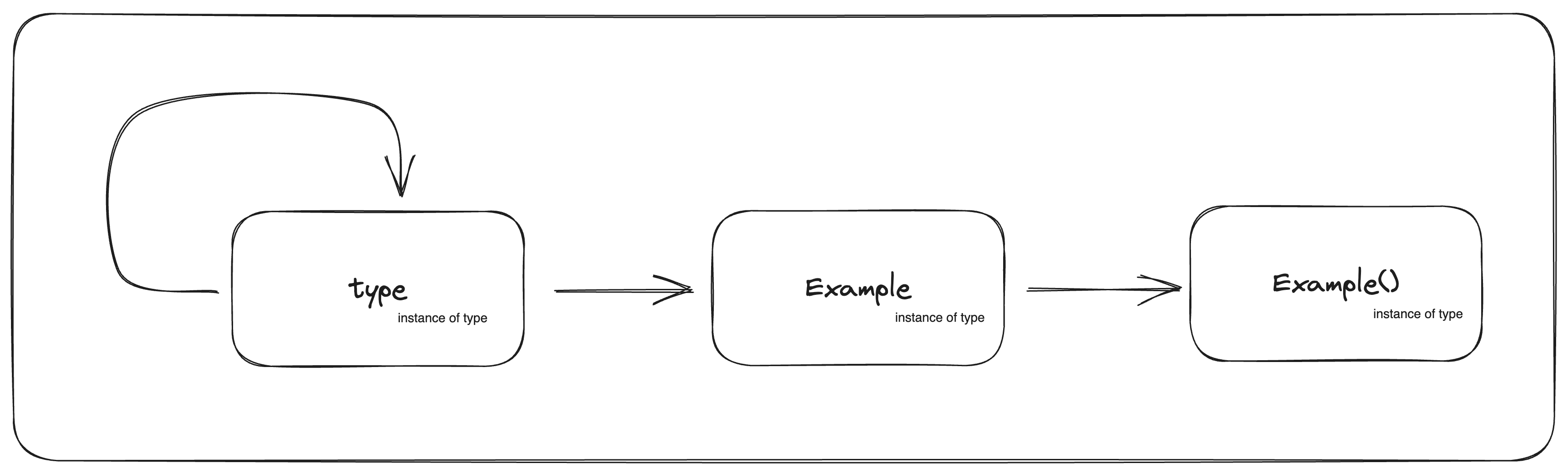
In this example a metaclass does two things automatically: it derives __slots__ from __annotations__, and it validates the presence and type of fields when an instance is created. It is a dataclass-like structure written from scratch that explicitly demonstrates the metaclass mechanism:
class Meta(type):
    def __new__(mcs, name, bases, namespace, **kwargs):
        if not [base for base in bases if isinstance(base, mcs)]:
            return super().__new__(mcs, name, bases, namespace, **kwargs)

        annotations = namespace.get('__annotations__', {})
        namespace["__slots__"] = tuple(annotations.keys())  # auto __slots__

        return super().__new__(mcs, name, bases, namespace, **kwargs)

    def __call__(cls, **kwargs):
        for field_name, field_type in cls.__annotations__.items():
            if field_name not in kwargs:
                raise ValueError(f"Missing field {field_name}")
            else:
                assert isinstance(kwargs[field_name], field_type), f"Field {field_name} must be of type {field_type}"

        for field_name, field_value in kwargs.items():
            if field_name not in cls.__annotations__:
                raise ValueError(f"Unknown field {field_name}")

        return super().__call__(**kwargs)

class BaseModel(metaclass=Meta):
    def __init__(self, **kwargs):
        for field_name, field_value in kwargs.items():
            setattr(self, field_name, field_value)

class Account(BaseModel):
    first_name: str
    last_name: str
    username: str

account = Account(first_name="Hakan", last_name="Çelik", username="hakancelik")

assert account.__slots__ == ("first_name", "last_name", "username")
assert account.__dict__ == {}

assert account.first_name == "Hakan"
assert account.last_name == "Çelik"
assert account.username == "hakancelik"

# Account(first_name="Hakan", last_name="Çelik", username=1)
Meta.__new__ — Automatic __slots__
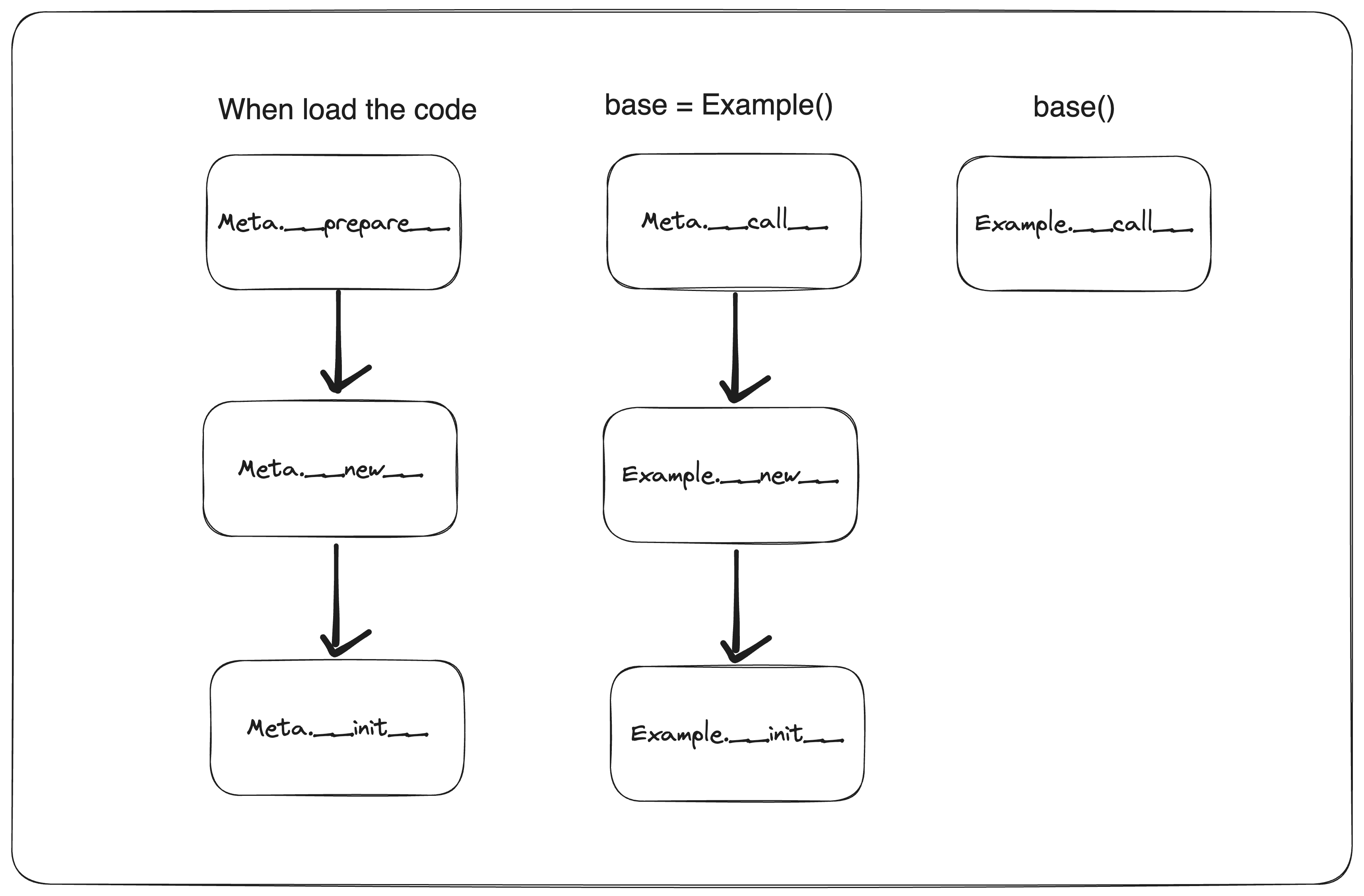
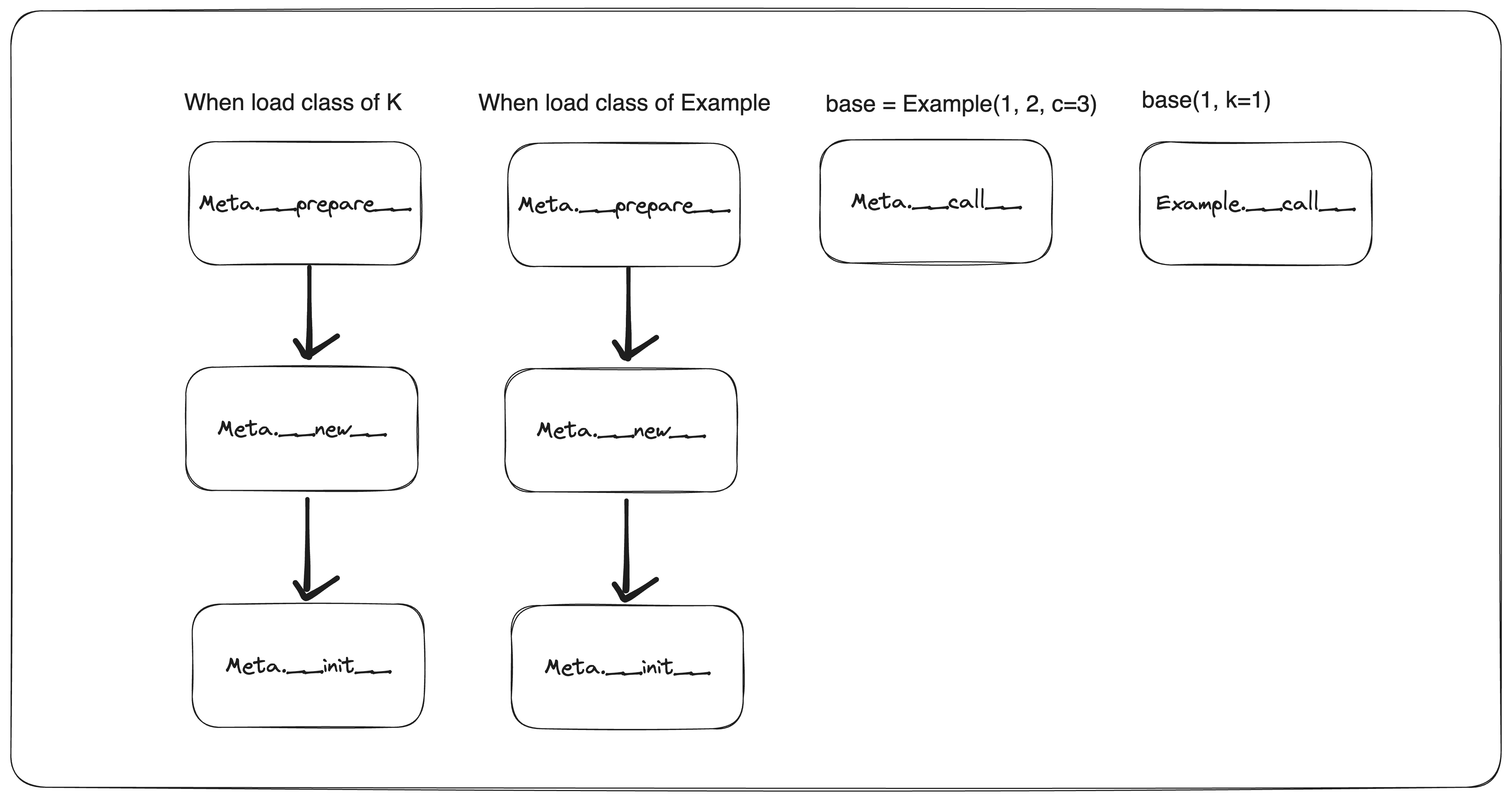
__new__ runs when the class is being created. The condition not [base for base in bases if isinstance(base, mcs)] skips BaseModel itself (none of its bases are instances of Meta); only subclasses (like Account) are processed.
The field names in the __annotations__ dictionary are taken and assigned as __slots__:
namespace["__slots__"] = ("first_name", "last_name", "username")When __slots__ is defined Python does not create a __dict__ — this saves memory and makes the account.__dict__ == {} assertion valid.
Meta.__call__ — Type Validation
When Account(...) is called, two checks are performed before super().__call__():
- Has every required field been provided? (
Missing field) - Is the type of every field correct? (
isinstance(value, type)) - Has an unknown field been provided? (
Unknown field)
The commented-out last line shows that calling Account(username=1) raises an AssertionError: username is an int, but str is expected.
BaseModel.__init__
At the end, super().__call__(**kwargs) runs BaseModel.__init__, which writes the validated kwargs to the fields using setattr. Because __slots__ is defined, setattr can only write to permitted fields.