Hakan Çelik
Define Method If Condition True

Define Method If Condition True
This code is the core implementation of defineif, a library I developed myself. It allows a method in the class body to be defined only when a condition is True; if the condition is False, the method is silently skipped.
import inspect
import typing

__all__ = ("DefineMeta", "Namespace")

FuncT = typing.Callable[[typing.Any], typing.Any]  # unexport: not-public

class NotSet:  # unexport: not-public
    ...

class Namespace(dict):
    test: typing.List[bool] = []  # TODO: rename

    def __init__(self, *args, **kwargs):
        super().__init__(*args, **kwargs)
        super().__setitem__("define_if", self.define_if)

    def __setitem__(self, key: str, value: typing.Any):
        if inspect.isfunction(value):
            if self.test:
                if self.test.pop() is True:
                    super().__setitem__(key, value)
            else:
                super().__setitem__(key, value)
        else:
            super().__setitem__(key, value)

    @classmethod
    def define_if(cls, condition: bool) -> typing.Callable[[typing.Callable], FuncT]:
        def wrapper(func: FuncT) -> FuncT:
            cls.test.append(condition)
            return func

        return wrapper

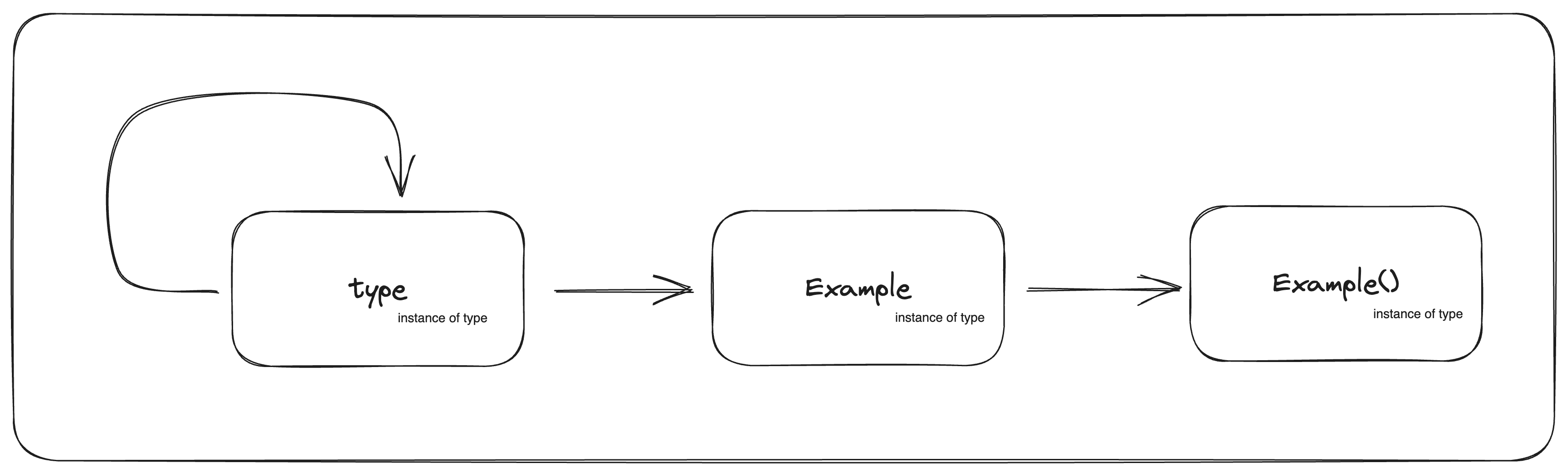
class DefineMeta(type):
    if typing.TYPE_CHECKING:

        @classmethod
        def define_if(mcs, condition: bool) -> typing.Callable[[typing.Callable], FuncT]:
            ...

    @classmethod
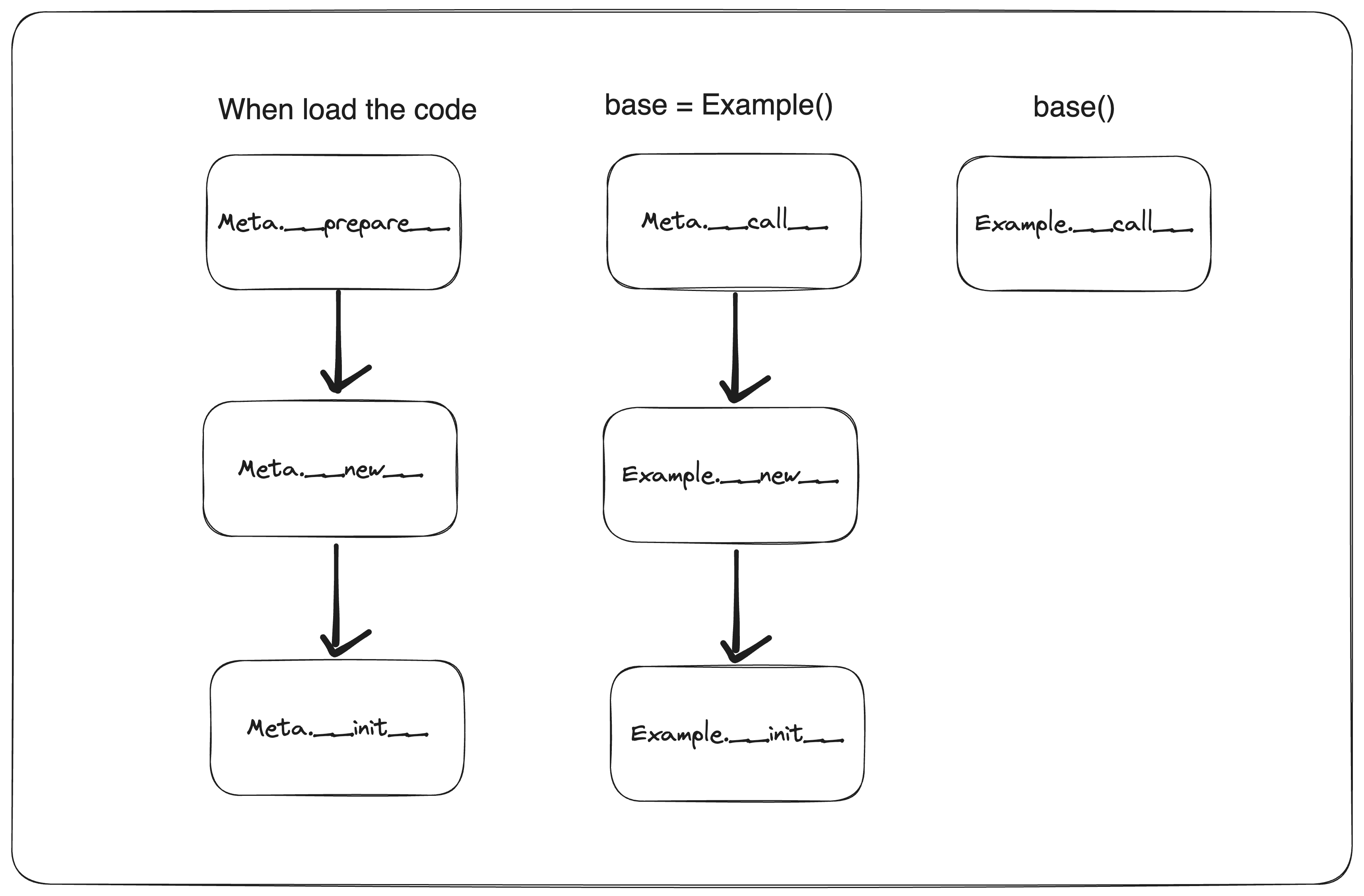
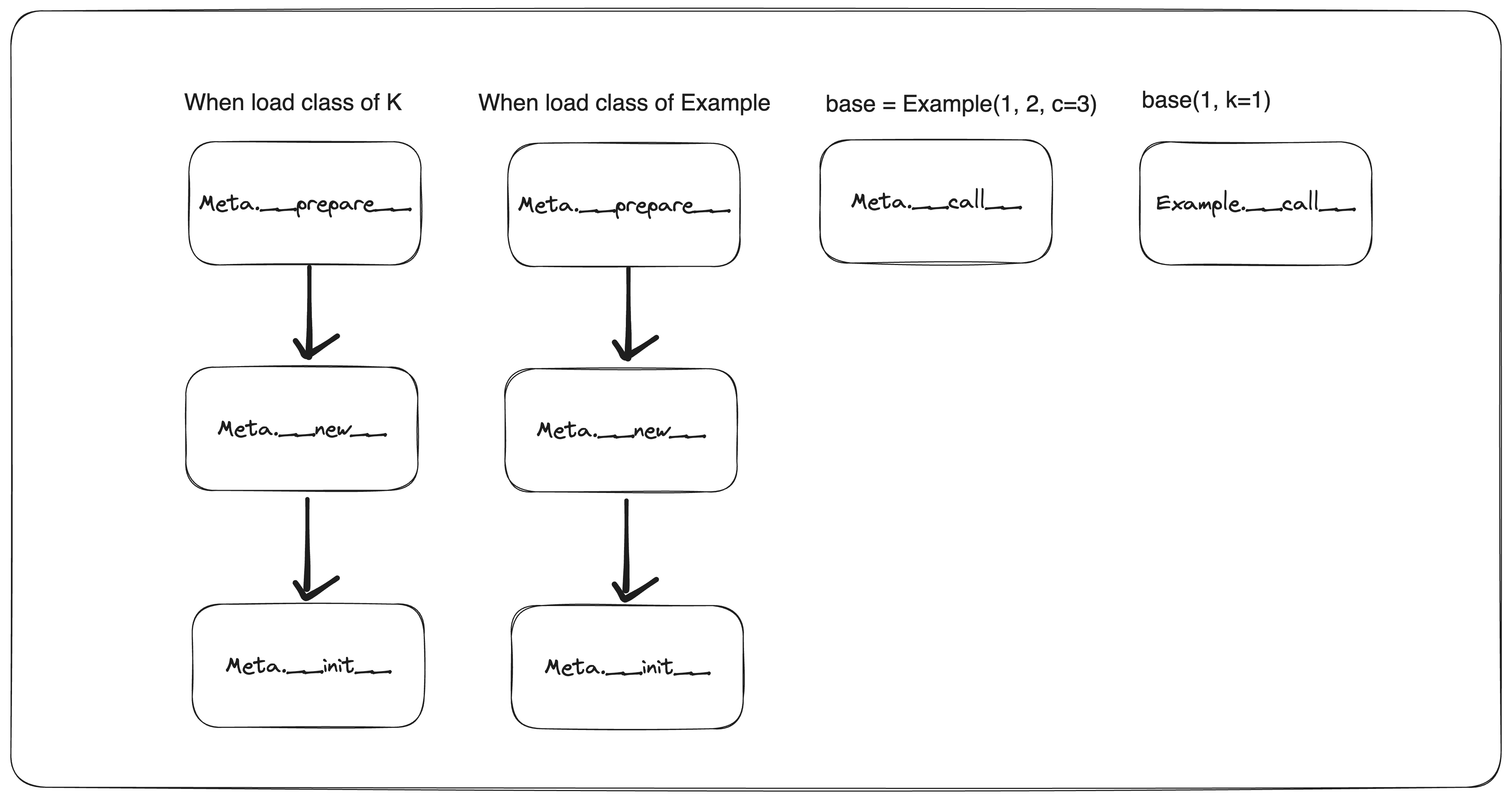
    def __prepare__(mcs, name, bases, **kwargs) -> typing.Union["Namespace", dict]:  # type: ignore[override]  # noqa: E501
        return Namespace()

    def __call__(cls, condition: typing.Union[bool, typing.Type[NotSet], None] = NotSet):
        if condition is NotSet:
            return super().__call__()
        else:
            assert isinstance(condition, bool)
            return cls.define_if(condition)

class Defineif(metaclass=DefineMeta):
    pass

define_if = Defineif

class Example(metaclass=DefineMeta):
    @define_if(condition=True)
    def foo(self):
        return True

    @define_if(condition=False)
    def foo(self):
        return False

assert Example().foo() is True
How It Works
The mechanism consists of three parts:
1. Namespace(dict) — Custom Namespace
DefineMeta.__prepare__ returns a Namespace instead of a plain dict. While the class body is being executed, every assignment passes through Namespace.__setitem__.
When a function is being assigned (inspect.isfunction(value) is True), the Namespace.test list is checked:
- If the list is non-empty, the condition is retrieved with
test.pop(): ifTruethe method is added; ifFalseit is silently skipped. - If the list is empty, it is added unconditionally (normal method definition).
2. define_if(condition) — Condition Decorator
When @define_if(condition=True) is called, the condition value is appended to Namespace.test and the function is returned as-is. Python then immediately assigns this function to Namespace.__setitem__ — at which point test.pop() reads the condition.
@define_if(condition=True)   # → test.append(True)
def foo(self): ...            # → Namespace.__setitem__ → test.pop() is True → added

@define_if(condition=False)  # → test.append(False)
def foo(self): ...            # → Namespace.__setitem__ → test.pop() is False → skipped
Result: the slot named foo holds only the definition with the True condition.
3. DefineMeta.__call__ — Dual Use
Defineif (and the define_if shortcut) can be called in two ways:
Defineif()— ifconditionis not provided, theNotSetdefault is triggered,super().__call__()runs, and a normal class instance is returned.Defineif(condition=True)— ifconditionis provided,cls.define_if(condition)is returned; this is a callable that can be used like a@decorator.
Result
assert Example().foo() is TrueThe foo defined with condition=True remained in the class; the foo defined with condition=False was never written to the namespace. Example().foo() → True.