Hakan Çelik
Logging Namespace

Logging Namespace
When a class is defined in Python, all assignments in the class body are written into a dict. The metaclass’s __prepare__ class method provides the opportunity to create this dictionary ahead of time, allowing you to return a customized namespace instead of a plain dict.
In the example below every assignment is automatically printed to the console:
class LoggingDict(dict):
    def __setitem__(self, key, value):
        print("d[%r] = %r" % (key, value))
        dict.__setitem__(self, key, value)

class Meta(type):
    @classmethod
    def __prepare__(mcs, name, bases):
        return LoggingDict()

class C(metaclass=Meta):
    foo = 2+2
    foo = 42
    bar = 123

    def __int__(self):
        pass
Output
When class C is defined, __prepare__ is called and returns a LoggingDict. Every assignment in the class body passes through LoggingDict.__setitem__ and prints the following to the console:
d['foo'] = 4
d['foo'] = 42
d['bar'] = 123
d['__int__'] = <function C.__int__ at 0x...>
Notice that foo appears twice; Python executes the class body line by line and each assignment is triggered separately.
How It Works
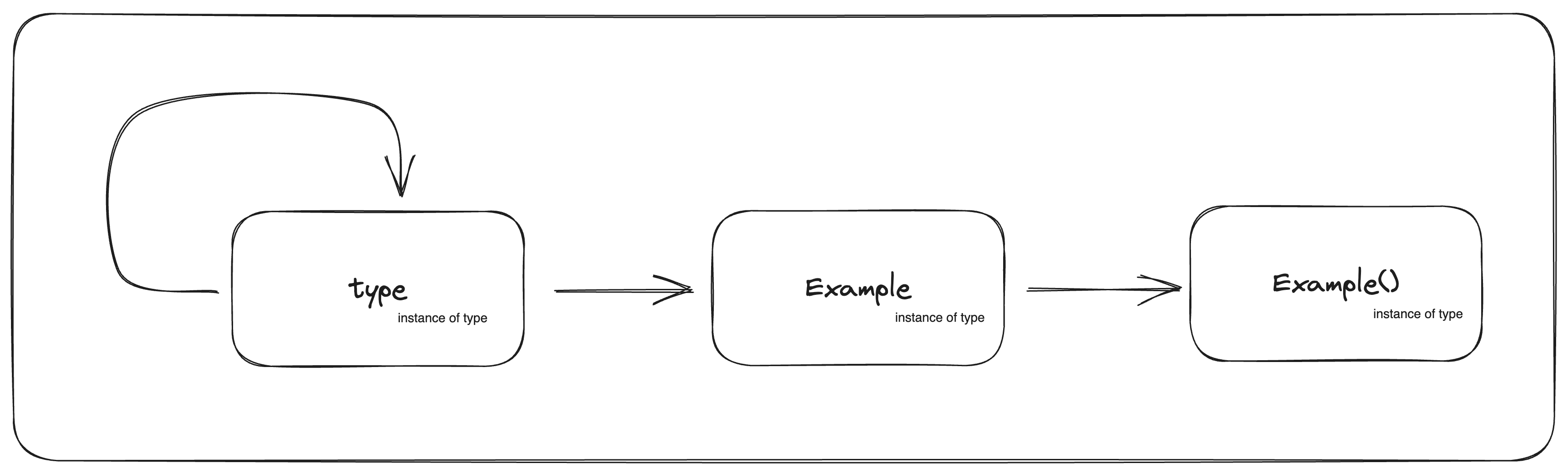
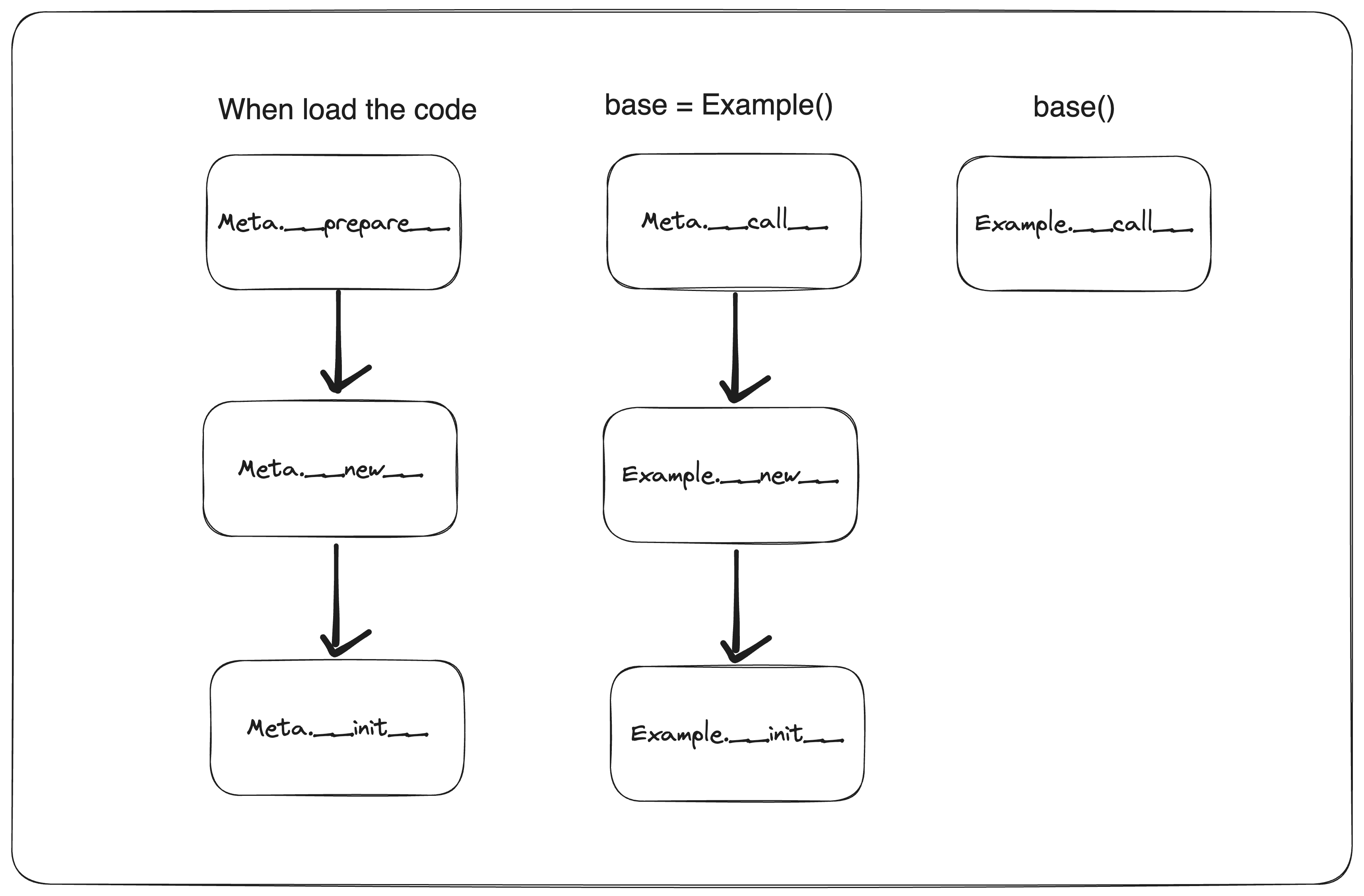
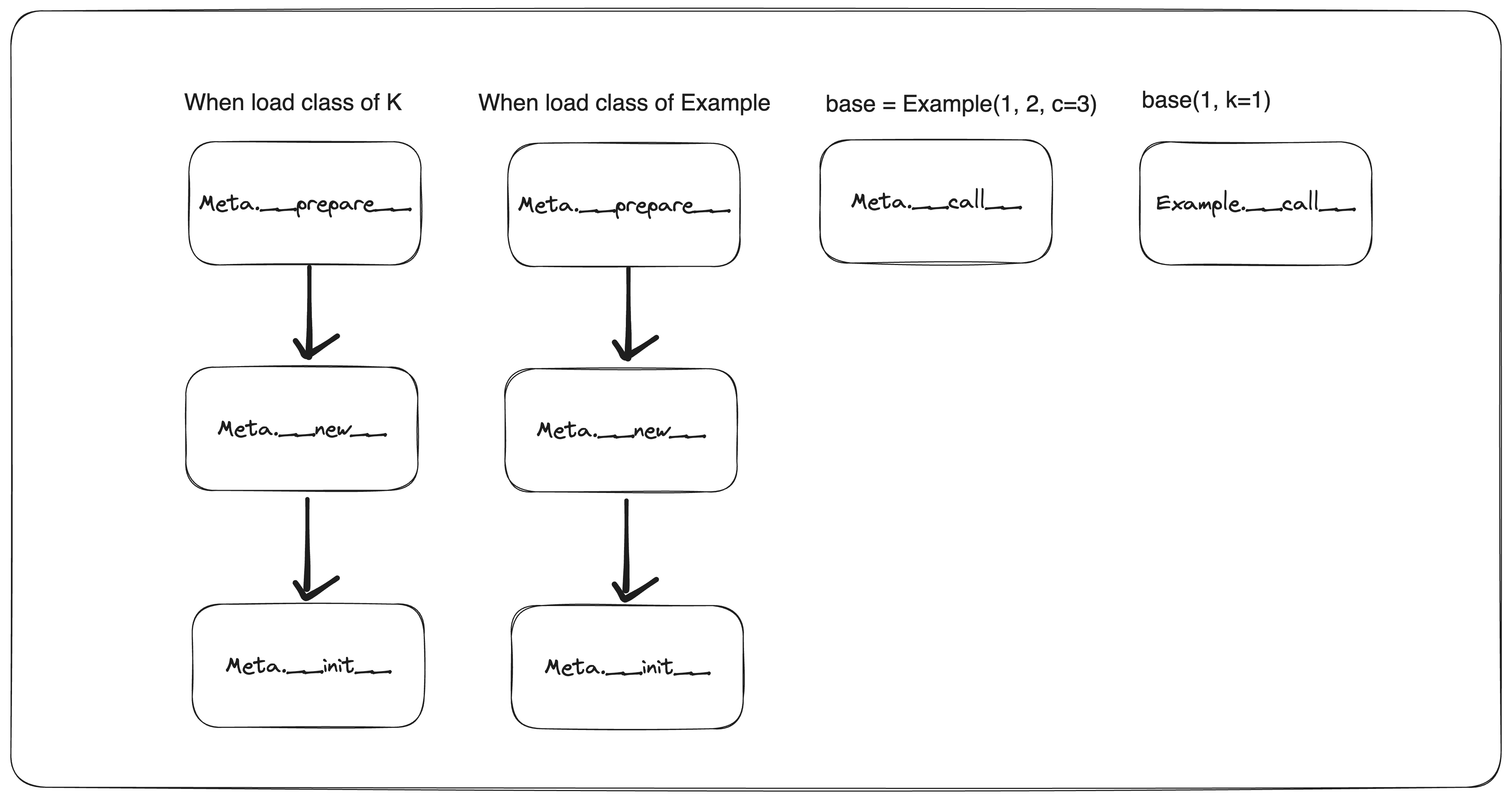
__prepare__ runs before the class is created. While Python is compiling the class body it uses the object returned by this method as the namespace. After the class definition is complete, type.__new__ takes this namespace and constructs the class.
# In a standard class definition Python does this behind the scenes:
namespace = Meta.__prepare__("C", ())   # LoggingDict()
# ... class body is executed, assignments are written to namespace ...
C = Meta("C", (), namespace)
Why Is This Useful?
Customizing the namespace through __prepare__ is helpful in the following situations:
- Auditing / debugging: Recording all assignments as in this example.
- Duplicate definitions: Catching cases where the same name is assigned more than one function, or applying custom behavior.
- Redirection: Writing certain names to different structures (caches, custom storage).
- Ordered attributes: Before Python 3.7 when
dictwas unordered, returning anOrderedDictwas important for preserving the order of assignments.